Understanding the Concept of Responsible Gaming
Responsible gaming is a vital aspect of ensuring that gambling remains a fun and enjoyable activity rather than a source of distress or financial hardship. It revolves around understanding the risks associated with gambling and making informed decisions that protect players. By viewing gaming as a form of entertainment rather than a means to make money, individuals can maintain a healthier relationship with gambling and avoid the potential pitfalls that can arise from excessive play. For those interested in options like online casino real money nz , recognizing that gambling should be approached with caution is fundamental to creating a sustainable gaming experience.
At its core, responsible gaming is about embracing moderation. This means recognizing when to take breaks, understanding personal limits, and ensuring that gambling does not interfere with daily life, responsibilities, or relationships. Many casinos provide resources, such as workshops and self-assessment tools, to help players monitor their habits and maintain control over their gaming activities. Such initiatives encourage a culture of responsible gaming that benefits both the individual and the gaming environment as a whole. By prioritizing responsible practices, players can enjoy their gaming experiences without jeopardizing their well-being.
Ultimately, adopting a mindset of responsible gaming contributes to a safer and more enjoyable experience for everyone involved. Casinos that prioritize responsible gaming practices help foster an environment where players can freely enjoy their time without the burden of negative consequences. This collective awareness within the gaming community is vital for promoting long-term well-being and ensuring that gambling remains a positive pastime for all participants. As players engage in gaming, they should remember that the primary goal is entertainment and enjoyment, not financial gain.
Setting Personal Limits
Establishing personal limits is crucial for anyone engaging in casino activities, as it serves as a foundational practice for responsible gaming. Before entering a casino or logging onto an online platform, players should define their boundaries concerning time and money. By setting these limits, players can help prevent overspending and ensure that their gaming experience remains enjoyable rather than stressful. Understanding one’s financial and emotional thresholds is key to maintaining control and enjoying gaming as a leisure pursuit.
For example, a player might choose to allocate a specific budget for their gaming activities each week, regardless of whether they win or lose. This approach not only reduces the pressure associated with gambling but also instills a sense of discipline. Moreover, establishing time limits can help players remain conscious of how long they spend gambling, allowing them to balance their gaming with other essential aspects of life, such as work, family, and personal interests. It’s about finding that sweet spot where gaming complements life instead of dominating it.
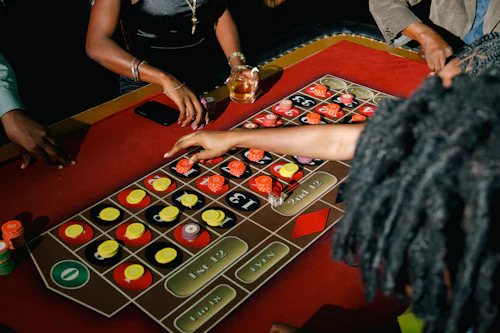
Many casinos support responsible gaming by offering tools that enable players to set self-imposed limits on deposits, wagers, and time spent playing. Taking advantage of these resources is essential for cultivating a healthy gaming experience. Adhering to these limits promotes emotional well-being and helps players maintain a positive attitude towards gambling, ensuring it remains a source of enjoyment rather than a compulsive behavior. Players must remember that having fun should be the ultimate goal, and maintaining control over their gaming activities is key to achieving that.
Recognizing Signs of Problem Gambling
Identifying the signs of problem gambling is essential for ensuring that gaming remains a pleasurable activity. Symptoms of compulsive gambling can take many forms, including an overwhelming urge to gamble despite negative consequences or a growing obsession with gaming activities. Players should remain vigilant about their behaviors and be prepared to acknowledge when their gambling habits may be becoming problematic. Understanding these signs can lead to timely intervention and help maintain a healthier relationship with gaming.
Common indicators of potential gambling issues include lying about gaming habits or concealing evidence of gambling from family and friends. This secrecy often highlights an internal struggle, suggesting that an individual may be grappling with their gaming choices. Additionally, players who find themselves chasing losses or feeling anxious when not gambling should take these feelings seriously, as they can indicate an unhealthy attachment to gaming that warrants further evaluation. It’s crucial for individuals to be honest with themselves and recognize when gaming is no longer a source of enjoyment.
Seeking help from support groups or professional counseling services can be incredibly beneficial for those who recognize these signs in themselves or loved ones. Numerous organizations provide resources and support for individuals experiencing gambling problems, allowing them to connect with others who share similar experiences. Engaging with these resources can empower individuals to reassess their relationship with gaming and reinforce their commitment to responsible gaming practices, ultimately fostering a healthier gaming environment. Support is available, and reaching out can be the first step toward recovery.
Utilizing Resources Available for Gamblers
Many casinos and gaming establishments offer a wealth of resources to promote responsible gaming among their patrons. These resources often include educational materials, hotlines for immediate assistance, and connections to local support groups that cater to individuals seeking help in managing their gambling habits. By leveraging these resources, players can equip themselves with the knowledge and tools necessary to make informed decisions and maintain a balanced approach to gaming. Awareness of available support is a key aspect of responsible gaming.

For instance, some casinos provide self-assessment tools designed to help players reflect on their gaming behaviors and identify potential risks. These assessments can serve as a valuable starting point for individuals looking to evaluate their habits and determine if they need to take further steps to manage their gaming behavior. Additionally, many casinos host informational workshops and seminars aimed at educating players about responsible gaming practices, enabling them to learn from experts and peers alike. Continuous education is essential in cultivating a responsible gaming culture.
Furthermore, various regulatory bodies oversee gaming operations, ensuring that casinos adhere to responsible gaming standards. These organizations often collaborate with gaming establishments to provide adequate resources and support for those in need. It is essential for players to recognize that help is readily available, and accessing these resources can significantly contribute to a safer and more enjoyable gaming experience for everyone involved. By being proactive in seeking assistance, players can create a healthier relationship with gambling.
Final Thoughts on Responsible Gaming and Online Resources
In conclusion, embracing responsible gaming practices is vital for fostering a positive and enjoyable casino experience. Players must commit to understanding their limits, recognizing potential gambling issues, and utilizing available resources to support their gaming journey. By doing so, they can experience the thrill of gambling while safeguarding their mental and financial health, transforming gaming into a delightful pastime rather than a source of stress. A responsible approach to gaming ensures that it remains an enjoyable activity rather than a burden.
In today’s digital age, online platforms have emerged as significant sources of information and support for responsible gaming. Websites dedicated to educating gamblers about safe practices, offering self-help tools, and providing professional assistance have become invaluable resources. Engaging actively in these online communities allows players to share insights, seek advice, and cultivate a sense of accountability among fellow gamers, further enhancing the ethos of responsible gaming. The online landscape is rich with opportunities for support and education.
Ultimately, responsible gaming should be regarded not only as a personal commitment but also as a collective effort among players, casinos, and support organizations. By working together, we can create a gaming environment that prioritizes safety, enjoyment, and long-term well-being, ensuring that the casino experience remains rewarding and fulfilling for everyone involved. Each player’s responsibility contributes to a larger culture of safety and enjoyment, allowing gaming to be a cherished pastime for all.